
What Is the Fitness Requirement for Manaslu Circuit Trek?
3rd Apr, 2026

The Manaslu Circuit Trek demands preparation, discipline, and consistency. At Mountain Eco Treks Pvt Ltd, we guide trekkers through one of Nepal’s most remote and rewarding Himalayan routes with a strong focus on safety, pacing, and proper acclimatization. Fitness decides how much you enjoy this trek. Strong preparation leads to steady progress, better energy, and a safer journey.
Table of Contents
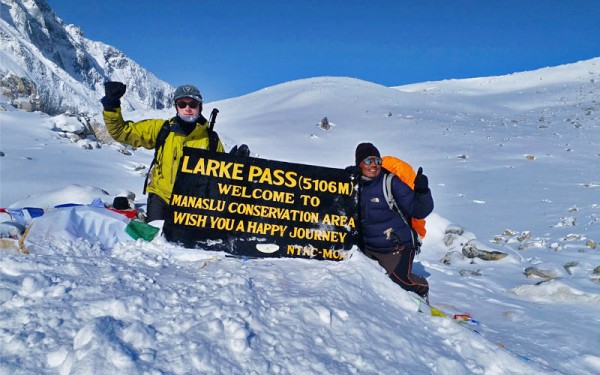
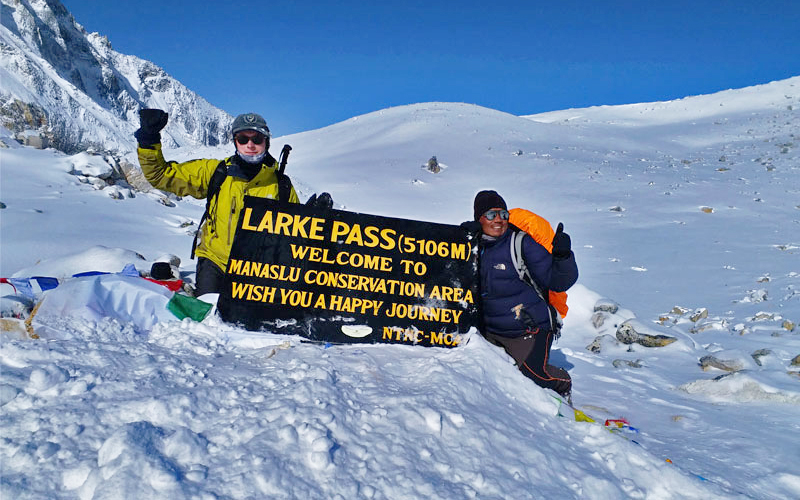
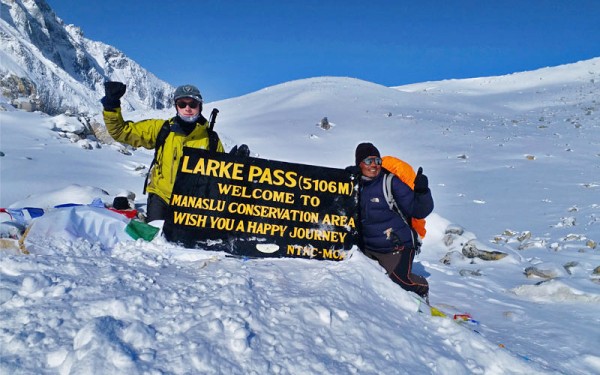
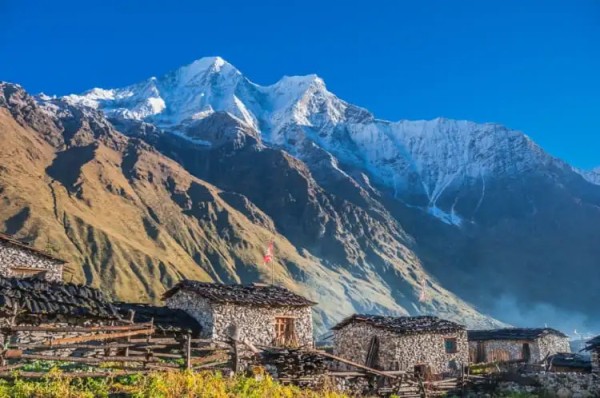
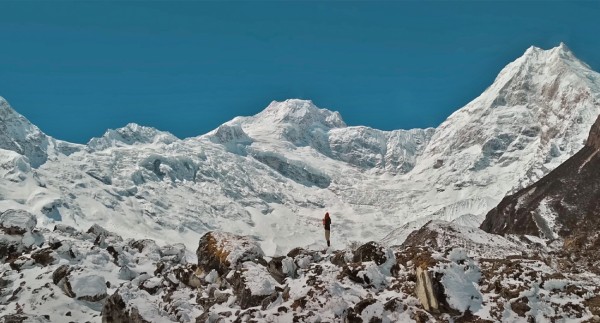
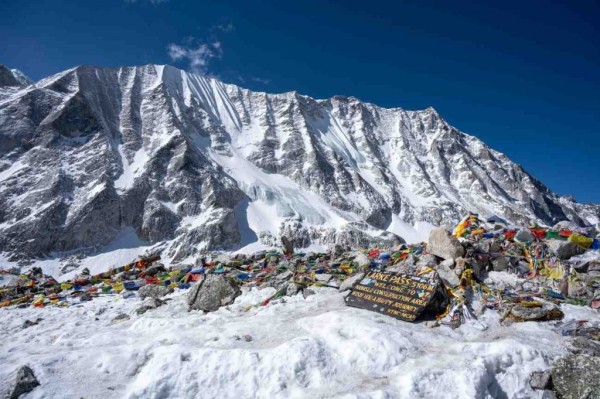
This trek circles Mount Manaslu and crosses Larkya La Pass at 5,106 meters. The route passes through deep valleys, forests, alpine terrain, and high mountain landscapes. You walk long hours every day. You gain altitude gradually. You deal with thinner air and changing weather. These conditions require a good level of physical fitness and mental focus.
What Fitness Level Do You Need for Manaslu Circuit Trek?
You need a moderate to high fitness level to complete the Manaslu Circuit Trek comfortably. You do not need technical climbing skills. You do need endurance, strength, and the ability to walk long hours on uneven terrain.
You should be able to:
- Walk 6 to 8 hours daily
- Cover 10 to 15 km per day
- Climb uphill for extended periods
- Maintain steady pace without frequent long breaks
At Mountain Eco Treks Pvt Ltd, we recommend at least 4 to 6 weeks of preparation before your trek. This preparation builds stamina and reduces fatigue during the journey.
Understanding the Physical Demands of the Trek
The Manaslu Circuit Trek covers approximately 160 to 180 kilometers. This distance spreads across 14 to 15 days in a standard itinerary. The challenge does not come from distance alone. Elevation gain and terrain difficulty increase the effort required.
Each day presents different conditions:
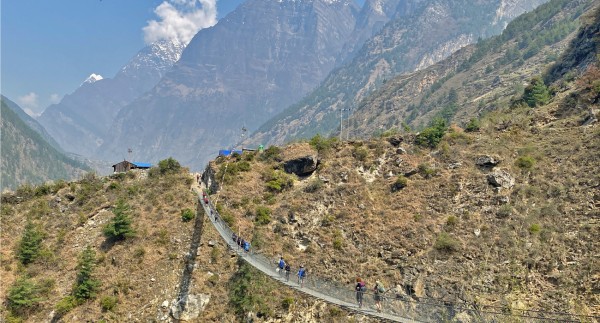
- Steep stone staircases in lower regions
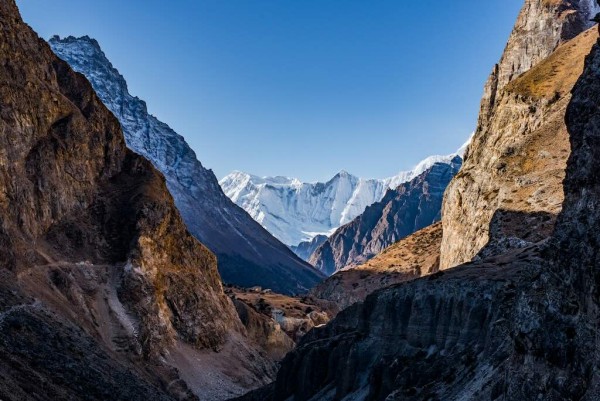
- Narrow trails along river valleys
- Rocky and rugged paths at higher altitude
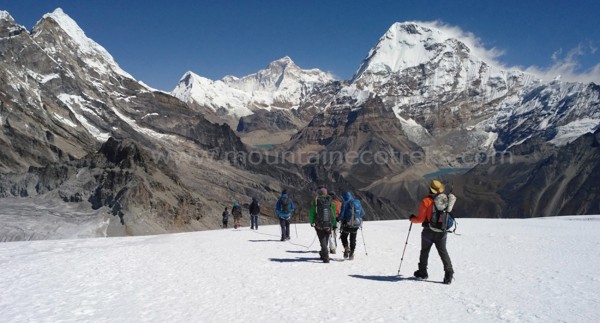
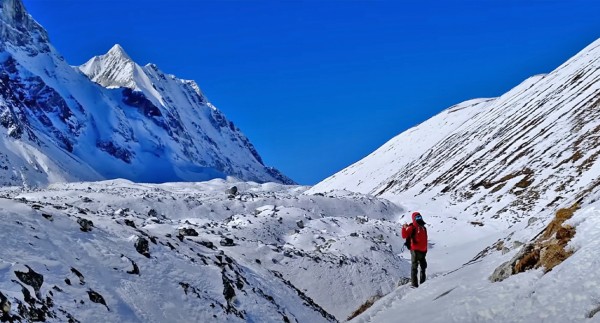
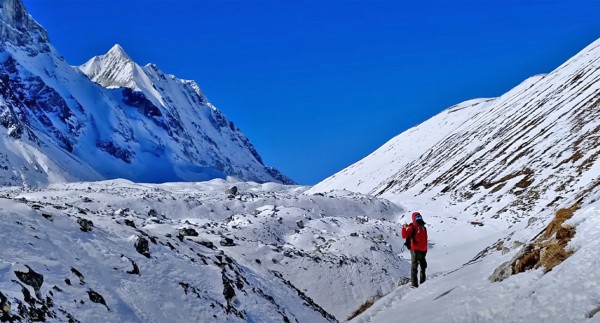
- Snow-covered sections near Larkya La Pass
Your body must adapt to continuous movement. You wake up early, walk for several hours, and repeat this routine daily. This consistency demands strong endurance.
How Hard Is the Manaslu Circuit Trek?

The Manaslu Circuit Trek is moderate to challenging. Difficulty increases as you gain altitude.
The most demanding section is crossing Larkya La Pass. This day starts early and includes long hours of walking in cold conditions. Oxygen levels drop significantly. The trail becomes steep and exposed. Trekkers often find this section physically and mentally challenging.
Other difficulty factors include:
- Remote location with limited facilities
- Basic teahouse accommodation
- Rapid weather changes
- High altitude exposure
At Mountain Eco Treks Pvt Ltd, our experienced guides manage pacing and acclimatization carefully. This reduces risk and improves your trekking experience.
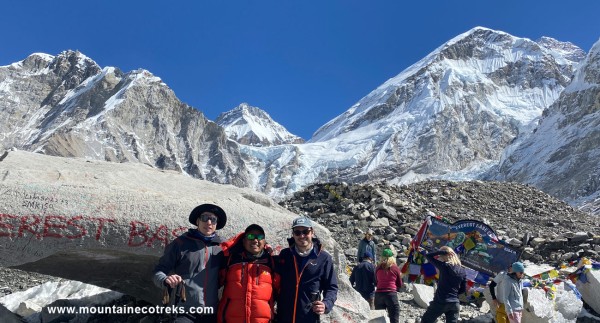
Is Manaslu Circuit Trek Harder Than Everest Base Camp?
Many trekkers ask this question before choosing a route. The answer depends on perspective.
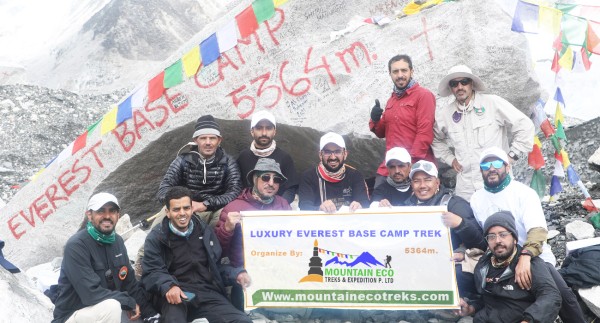
The Everest Base Camp trek offers better infrastructure. You find more lodges, better facilities, and easier logistics. Trails are busy and well-developed.
The Manaslu Circuit Trek feels more remote. Facilities are basic. Villages are fewer. Trails are quieter. You rely more on your guide and team.
From a fitness point of view, both treks require endurance. From an experience point of view, Manaslu feels more demanding due to isolation and terrain.
How Many Days Does the Manaslu Circuit Trek Take?
The standard itinerary takes 14 to 15 days. This duration includes acclimatization days, which are essential for altitude adjustment.
Other options include:
- 10 to 12 days for shorter itineraries with faster pace
- 18 to 20 days including Tsum Valley extension
At Mountain Eco Treks Pvt Ltd, we recommend a well-paced itinerary. Proper acclimatization improves safety and overall experience.
Daily Walking and Endurance Requirements
You walk every day during the trek. Daily walking time ranges from 6 to 8 hours. Some days may extend longer depending on terrain and altitude.
You need:
- Consistent energy throughout the day
- Ability to handle gradual climbs
- Strength for steep ascents and descents
Endurance matters more than speed. A steady pace helps conserve energy and supports acclimatization.
Why Fitness Matters for This Trek
Fitness affects every part of your journey. Strong fitness improves your ability to walk longer distances without exhaustion. It helps your body adjust to altitude. It reduces the risk of injury.
Benefits of good fitness:
- Better stamina and energy levels
- Faster recovery after long days
- Improved breathing at high altitude
- Lower fatigue and stress
Trekkers with weak fitness struggle early. They feel tired quickly and find it harder to continue. Proper training prevents these issues.
Training Plan Recommended by Mountain Eco Treks Pvt Ltd

Preparation should start at least one month before your trek. A structured plan builds confidence and strength.
Cardio Training
Focus on improving endurance:
- Brisk walking or hiking
- Running or cycling
- Stair climbing
Train 4 to 5 days per week.
Strength Training
Build muscle strength:
- Squats
- Lunges
- Step-ups
Strong legs support uphill climbs and reduce fatigue.
Endurance Practice
Simulate trekking conditions:
- Long walks with a backpack
- Gradual increase in distance
- Practice on uneven terrain
Consistency leads to better results than short intense workouts.
Mental Preparation for the Trek
Mental strength supports physical fitness. The trek includes long days, simple accommodation, and remote conditions. You must stay focused and motivated.
Challenges you may face:
- Fatigue during long walks
- Cold temperatures at high altitude
- Limited comfort in remote villages
A strong mindset helps you manage these conditions and continue with confidence.
Nutrition and Hydration During Trek
Your body needs proper fuel during the trek. You burn a high number of calories daily. Balanced meals support energy and recovery.
Focus on:
- Carbohydrates for energy
- Protein for muscle recovery
- Regular hydration
Avoid alcohol and stay hydrated to support acclimatization.
Common Mistakes Trekkers Make
Many trekkers underestimate the fitness requirement. This leads to unnecessary challenges.
Common mistakes:
- No prior training
- Choosing short itinerary without preparation
- Ignoring cardio fitness
- Carrying heavy backpacks without practice
At Mountain Eco Treks Pvt Ltd, we guide trekkers with proper planning to avoid these issues.
Best Time for Manaslu Circuit Trek
Season affects trekking difficulty. The best seasons are:
- Spring: March to May
- Autumn: September to November
These months offer:
- Clear mountain views
- Stable weather
- Better trail conditions
Avoid monsoon due to landslides and winter due to heavy snow.
Final Thoughts
The Manaslu Circuit Trek challenges your endurance, strength, and mindset. With proper preparation, it becomes one of the most rewarding trekking experiences in Nepal.
At Mountain Eco Treks Pvt Ltd, we focus on safety, proper pacing, and personalized support. We help trekkers prepare, guide them through every stage, and ensure a smooth journey.
Build your fitness early. Train consistently. Prepare your body for long walking days and high altitude. This approach ensures you complete the Manaslu Circuit Trek with confidence and enjoy every step of the journey.
Recent From Blog

19th Apr, 2019


23rd Dec, 2018

11th Jan, 2024

14th Jan, 2024

29th Jan, 2025

11th Feb, 2025

18th Feb, 2025

25th Feb, 2025

5th Apr, 2025
23rd Dec, 2025
9th May, 2026
12th Jul, 2026

13th Aug, 2026
13th Aug, 2026
13th Aug, 2026

16th Aug, 2026
20th Aug, 2026


11th Sep, 2026
24th Sep, 2026
25th Sep, 2026
5th Oct, 2026